
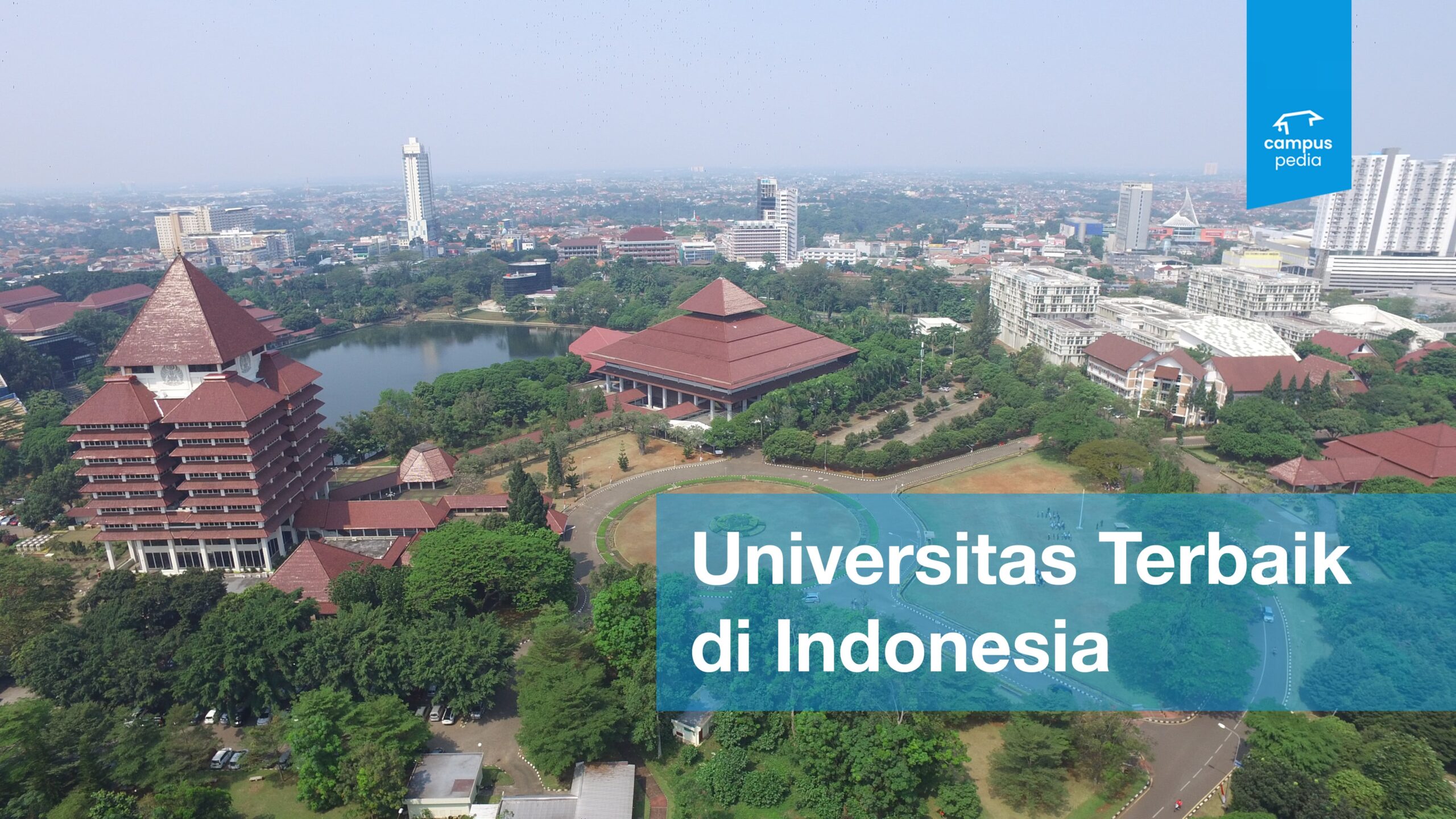
The Impact of Universitas Padjadjaran on Indonesian Education
Universitas Padjadjaran (UNPAD) is a prominent higher education institution located in Bandung, Indonesia. Established in 1957, it has emerged as a beacon of academic excellence and innovation, influencing the educational landscape of Indonesia profoundly. This article delves into the various ways UNPAD has significantly impacted Indonesian education, addressing its academic programs, research contributions, community engagement, and international collaborations.
Academic Programs and Curriculum Development
UNPAD offers a diverse array of academic programs across various disciplines, including law, economics, social sciences, agricultural technology, and health sciences. This interdisciplinary approach caters to the evolving demands of the job market, ensuring that graduates are equipped with relevant skills. The university is particularly renowned for its Faculty of Law, which has produced numerous influential legal experts and policymakers in Indonesia.
The curriculum at UNPAD is continually updated to reflect global trends and local needs. This responsiveness allows students to gain knowledge that is not only theoretical but also practical. For instance, the incorporation of technology in teaching and learning processes has enabled students to develop digital competencies crucial in today’s workforce.
Research and Innovation
Research is a cornerstone of UNPAD’s mission, driving advancements in various fields. The university emphasizes applied research, addressing national issues, including environmental sustainability, public health, and social equity. Research centers at UNPAD are dedicated to producing high-quality academic publications and innovations that contribute to Indonesia’s socio-economic development.
The university’s partnership with governmental agencies and private organizations enhances its research impact. Collaboration on research initiatives translates academic findings into actionable policies, thereby improving the country’s quality of life. Furthermore, UNPAD encourages students to engage in research, fostering a culture of inquiry and critical thinking essential for educational growth.
Community Engagement and Social Responsibility
UNPAD recognizes its role as a catalyst for change in the community. The university actively participates in outreach programs designed to uplift marginalized groups and promote education access. Initiatives like community service and awareness campaigns provide students with hands-on experiences, cultivating a sense of social responsibility and empathy.
In partnership with local governments and non-profit organizations, UNPAD has implemented programs focused on health education, environmental conservation, and economic empowerment. Such initiatives not only impact local communities positively but also enhance students’ understanding of real-world challenges, preparing them for service-oriented careers.
International Collaborations and Global Perspective
In an increasingly interconnected world, UNPAD places significant emphasis on international collaborations. The university has established partnerships with various global institutions, facilitating student exchanges, joint research, and collaborative programs. These partnerships enrich the educational experience, exposing students to diverse cultural perspectives and academic practices.
UNPAD’s engagement in international forums, conferences, and research collaborations raises its profile within the global academic community. By promoting academic exchange, UNPAD contributes to the professional development of its faculty and students, thereby enhancing the overall quality of Indonesian education.
Quality Assurance and Accreditation
UNPAD’s commitment to quality education is underscored by its continuous efforts in institutional and programmatic accreditation. The university adheres to national and international standards, ensuring that its academic offerings meet rigorous quality benchmarks. This focus on excellence fosters trust among students, parents, and employers, further reinforcing UNPAD’s reputation as a leading educational institution.
Supporting Innovations in Teaching and Learning
UNPAD has embraced modern educational technologies, transforming traditional teaching methods into interactive learning experiences. By integrating online learning platforms and digital resources, UNPAD enhances accessibility and accommodates diverse learning preferences. This innovative approach not only attracts a wider audience but also ensures that education remains relevant in a rapidly evolving digital era.
Moreover, UNPAD encourages faculty development programs that focus on enhancing teaching methodologies, equipping educators with the necessary tools to inspire and engage students effectively.
Alumni Contributions to Society
UNPAD’s impact on education extends beyond its campus as its alumni play a crucial role in various sectors. Graduates have taken on significant leadership roles in government, business, academia, and civil society, contributing to the nation’s progress. The university’s alumni network fosters connections that provide mentorship and career opportunities, demonstrating the long-lasting effects of education.
The university continues to build a strong relationship with its alumni, encouraging their involvement in university activities and initiatives. This connection not only enriches the university’s culture but also inspires current students to aspire for meaningful careers.
By fostering a dynamic educational environment and emphasizing the importance of social responsibility, Universitas Padjadjaran significantly shapes the future of Indonesian education. Through its academic excellence, community engagement, and international presence, UNPAD exemplifies how higher education can influence societal change and promote sustainable development in Indonesia.